If you are worried about PFAS in Warminster or Warrington, start with your water source. WMA customers should check the current Consumer Confidence Report and utility updates. Private-well households should use a state-certified drinking-water laboratory before choosing treatment. Do not assume a plumber can test your water.
This guide explains the former military site’s role, the Warminster Municipal Authority’s current project, Pennsylvania’s rule, and practical questions for a plumber. It is a directory guide, not a contractor recommendation or a product review.
Where the local concern began
PFAS means per- and polyfluoroalkyl substances. These are man-made chemicals. They can remain in the environment for a long time. AFFF, or aqueous film-forming foam, was used for firefighting and training at military sites.
The former Naval Air Warfare Center Warminster covered about 840 acres. It operated from 1944 until September 1996. The U.S. Environmental Protection Agency placed the site on the Superfund National Priorities List in October 1989.
The listing began because eight disposal areas threatened groundwater quality. The Navy is still investigating PFAS at the site. EPA says a 2020 action added an extraction well for PFOA and PFOS in Area C. EPA also lists a five-year review for late 2026. [1]
Warrington lies south of the former base. That location helps explain why nearby homeowners ask about private wells and public water. The site history does not prove that PFAS is in every nearby home or well.
What WMA says about its water system
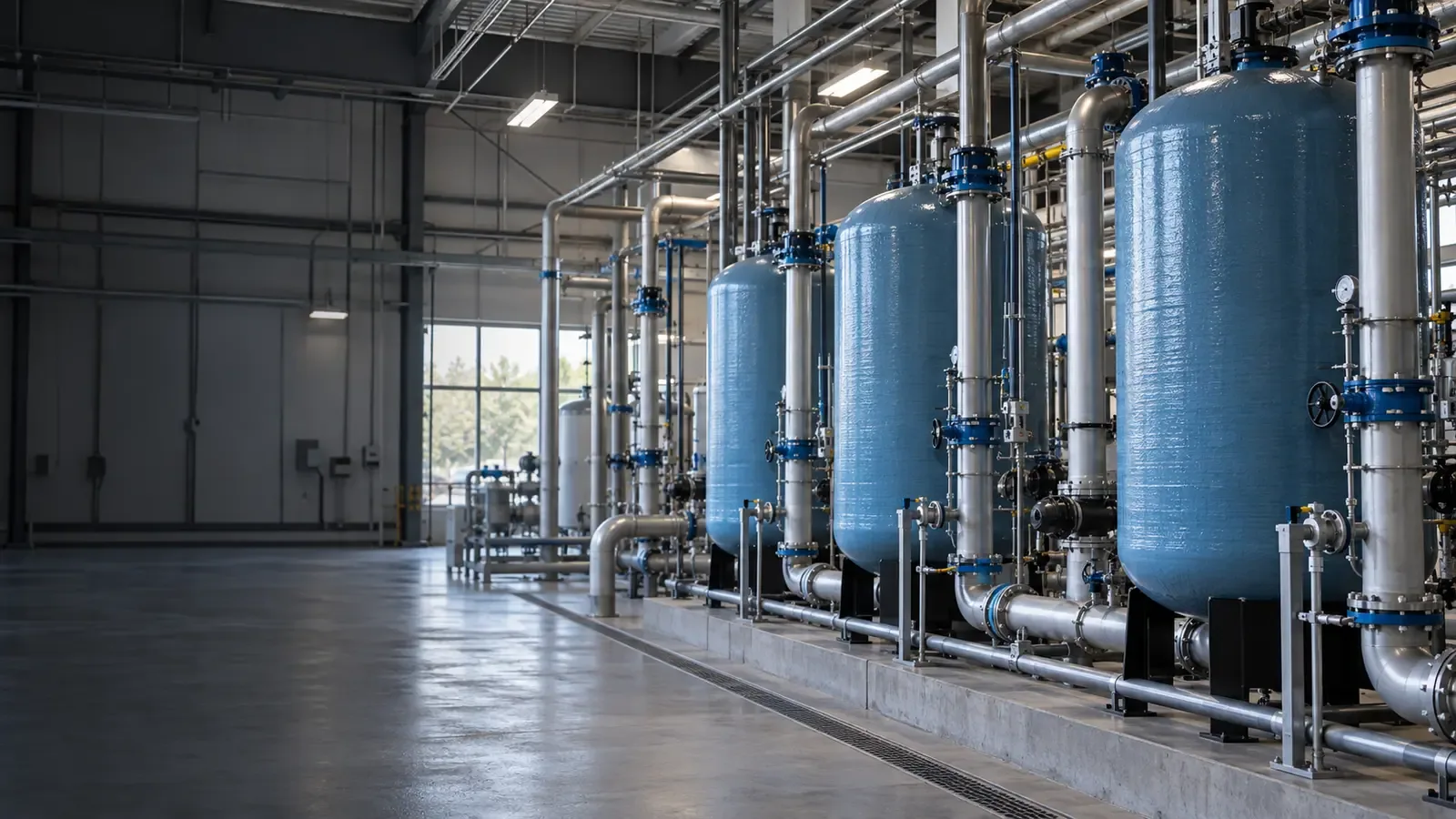
The Warminster Municipal Authority serves customers in Warminster Township and Ivyland Borough. WMA says most water delivered to customers comes from the North Wales Water Authority. WMA also keeps its own wells available for high-demand periods and emergencies.
WMA says it is adding resin, also called ion-exchange, treatment at 10 drinking-water wells. Its published schedule runs from October 2026 through October 2027. The named sites include Well 1 at the Warminster Municipal Building. They include Well 3 on Colonial Drive and Well 5 on Violet Road.
The list also includes Well 7 on Fairfield Drive, Well 9 on Log College Drive, and Well 14 on Nassau Road. It includes Well 15 on Sinkler Road, Wells 43 and 44 on Norristown Road, and Well 45 on Delmont Avenue. [2]
WMA says its delivered public water meets drinking-water standards. A zoning notice near a well site is part of a public process. It is not a water-quality alert by itself.
The WMA page does not provide finished-water PFAS results for each well. For household-level results, use the authority’s current Consumer Confidence Report. Confirm the project schedule before relying on it.
What the Pennsylvania and federal rules mean
Pennsylvania’s PFAS rule covers two chemicals: PFOA and PFOS. The rule sets a maximum contaminant level of 14 parts per trillion for PFOA. It sets an 18-parts-per-trillion limit for PFOS.
A maximum contaminant level, or MCL, is the legal limit for a regulated substance in public drinking water. Pennsylvania lists three approved treatment types. They are granular activated carbon, ion exchange, and reverse osmosis.
For public systems serving more than 350 people, initial quarterly monitoring began January 1, 2024. Compliance uses a running annual average at each entry point to the distribution system. The state rule was published January 14, 2023. [3]
EPA finalized its federal drinking-water rule for PFOA and PFOS on April 10, 2024. EPA’s May 14, 2025 announcement said the agency would keep those limits. It also proposed extending the public-system compliance date from 2029 to 2031.
That extension was a proposal, not a reason to skip current water reports. Federal and state rules can change. Check the current EPA and Pennsylvania Department of Environmental Protection pages. Do that before making a costly decision. [4]
Should you install treatment at home?
A public-water customer does not need a home system just because the former base is nearby. First, check the current WMA report and ask the authority about your service area. The report is more useful than a general internet claim.
A private well needs a different first step. PFAS has no dependable taste or smell. Use a state-certified drinking-water laboratory and current PA DEP private-well guidance. Test results should come before equipment selection.
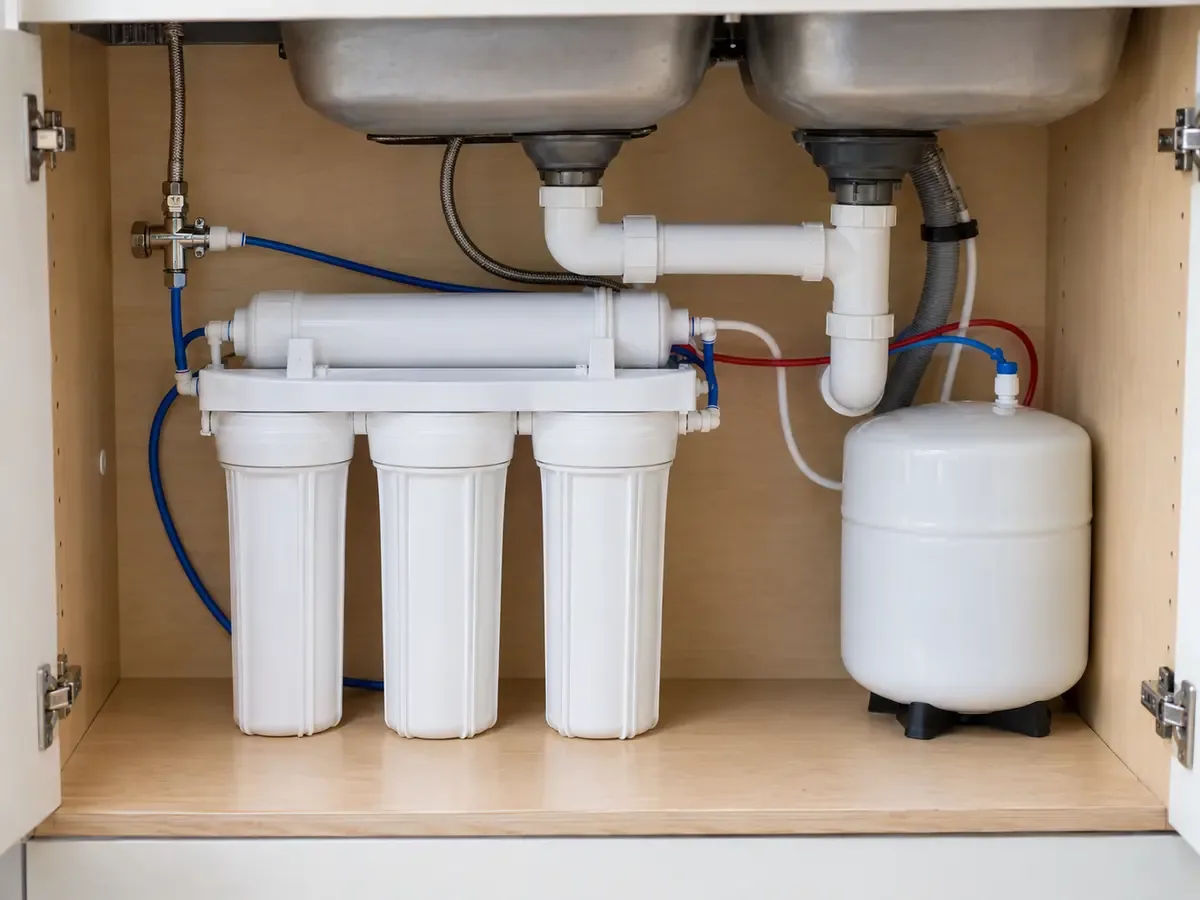
Point-of-use treatment serves one tap, often the kitchen tap. Point-of-entry treatment serves the whole house. Reverse osmosis is one point-of-use option, but it sends some water to a drain and may need a separate faucet.
Ask for written information about the exact PFAS compounds covered. Ask whether the product has current third-party certification for the claimed reduction. “All filters remove PFAS” is not a useful answer.
Do not bypass or disconnect a utility-owned treatment device. Do not treat a water-pressure test as a PFAS test. Pressure and sediment checks do not measure a chemical contaminant.
Home treatment costs vary. The main factors are equipment, plumbing changes, flow needs, and maintenance. This guide does not quote a price because the official local sources do not provide a reliable household cost range.
Questions to ask a plumber
A qualified plumber can help with plumbing design and installation. The plumber should not replace a certified laboratory or your water authority.
Ask these questions before approving work:
- What treatment method fits my test result or current utility information?
- What certification covers the exact PFAS compounds this unit claims to reduce?
- Will the unit serve one tap or the whole house?
- How will the installation affect flow, drainage, or a dedicated faucet?
- What filters, service visits, and written maintenance costs should I expect?
- Does this work need a local plumbing permit or inspection?
- Will the installation affect a backflow preventer, pressure regulator, or expansion tank?
A competent answer names the equipment, its limits, the maintenance plan, and the written scope. Pennsylvania does not issue one statewide plumber license. Ask which registration, certification, permit, or inspection your municipality requires for the planned work.
Your next step in Warminster or Warrington
If you receive WMA water, start with the current Consumer Confidence Report and WMA’s PFAS project page. Ask which source serves your address and where to find current testing results.
If you use a private well, start with a state-certified drinking-water laboratory. Then use the result and current PA DEP guidance to discuss treatment with a qualified plumber.
We checked the federal, state, and utility sources listed below. Because WMA’s project page blocked a fresh automated request on October 7, 2026, confirm its schedule and well list directly before relying on those details.
Sources
- U.S. Environmental Protection Agency, “Naval Air Development Center (8 Waste Areas), Warminster Township, PA — Site Profile,” accessed October 7, 2026. https://cumulis.epa.gov/supercpad/SiteProfiles/index.cfm?fuseaction=second.cleanup&id=0302466
- Warminster Municipal Authority, “PFAS Treatment For WMA Wells,” accessed October 7, 2026. https://www.warminsterauthority.com/pfas-treatment
- Pennsylvania Department of Environmental Protection, Bureau of Safe Drinking Water, “PFAS MCL Rule,” accessed October 7, 2026. https://www.pa.gov/agencies/dep/programs-and-services/water/bureau-of-safe-drinking-water/drinking-water-management/drinking-water-regulations/pfas-mcl-rule
- U.S. Environmental Protection Agency, “EPA Announces It Will Keep Maximum Contaminant Levels for PFOA, PFOS,” accessed October 7, 2026. https://www.epa.gov/newsreleases/epa-announces-it-will-keep-maximum-contaminant-levels-pfoa-pfos
Methodology: https://bucksplumbers.com/methodology